Choose by part geometry before machine size
Working width is only the first filter. Material grade, thickness, maximum flange height, minimum blank size, return bends, hems and surface-finish requirements determine the tooling and handling architecture.
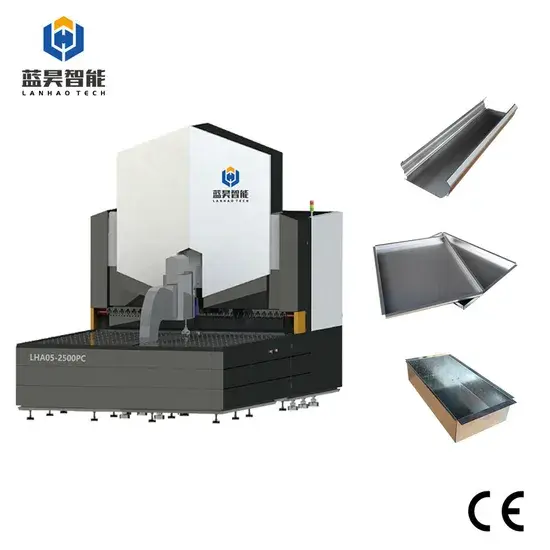
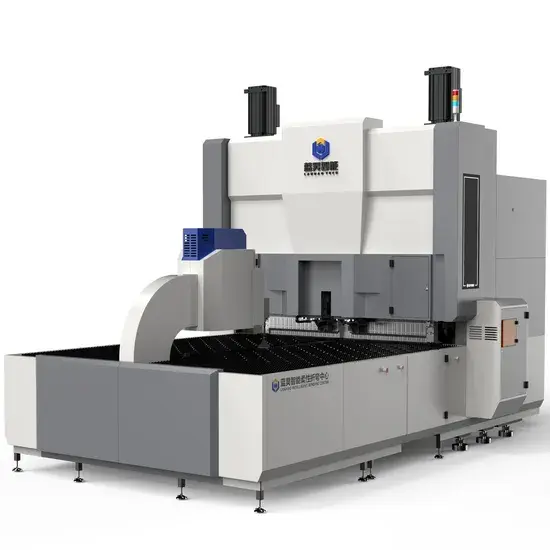
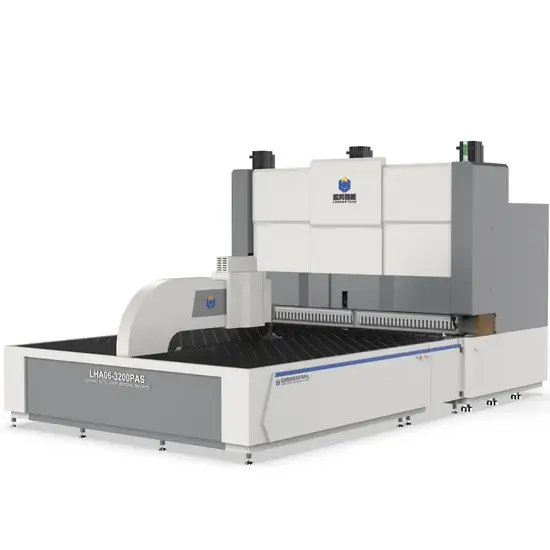
Compact X and XC systems suit smaller parts and constrained cells. PC and P cover broad daily production. A adds automatic pressing-tool change for frequent transitions, while PA targets longer or thicker workpieces.
- Share flat-pattern and finished-part drawings.
- State material grade, thickness range and surface requirement.
- Define batch size, takt target and expected changeover frequency.
- Identify whether robotic loading or later automation is required.
What automatic bending changes in production
The main operational gain comes from repeatable positioning and a programmed bending sequence. One setup can complete multiple sides and complex profiles with less part flipping than a conventional press-brake workflow.
Actual output depends on the part, not a headline cycle figure. A reliable evaluation should use your drawings, a simulated sequence and a timed sample run.
LANHAO panel-bender family selection overview
| Family | Best fit | Representative distinction |
|---|---|---|
| LHA-X / XC | Compact parts and growing cells | Suction-cup positioning; 9 or 11 axes |
| LHA-PC | Broad everyday production | Pressing-arm loading and wide application range |
| LHA-P | Complex profiles and automation | Powered hinge knife and integration interfaces |
| LHA-A | High-mix, frequent changeovers | Automatic pressing-tool change |
| LHA-PA | Longer or thicker workpieces | Up to 3200 mm representative capacity |
Relevant platforms