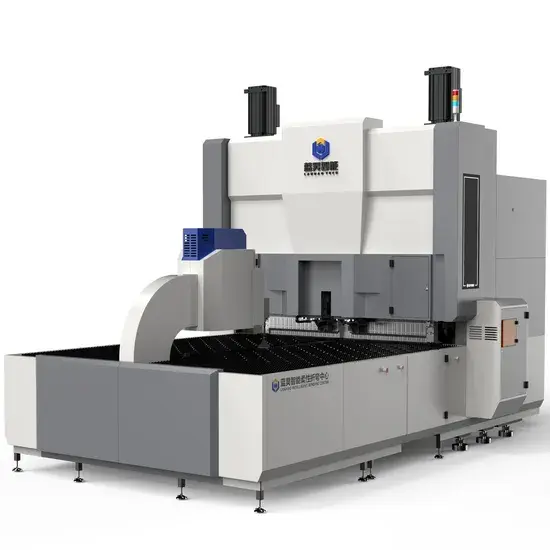
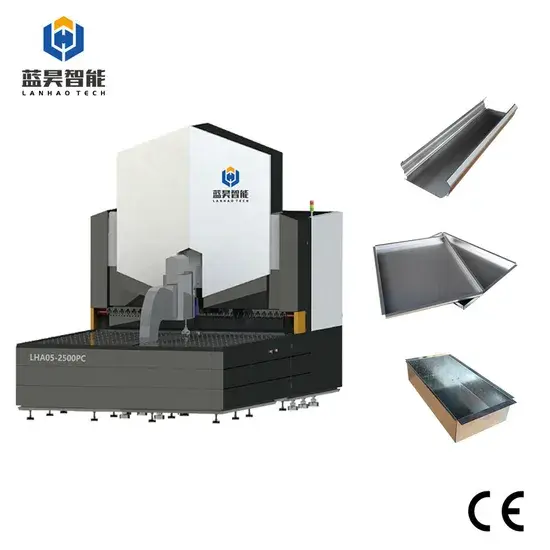
Panel Bending for Commercial Kitchens & Stainless Parts
Commercial-kitchen production benefits from flexible panel bending when many stainless parts share similar thicknesses but vary in width, flange layout and batch size.
Published by Nanjing LANHAO Intelligent Technology Co., Ltd. · Updated
StainlessCommon material
Mixed batchProduction pattern
Clean finishSurface priority
Frequent changeProgramming need
01
Protect visible stainless surfaces
Brushed and film-covered material requires careful control of contact points, burr orientation and part movement. A sample test should inspect both angle consistency and cosmetic condition under production handling.
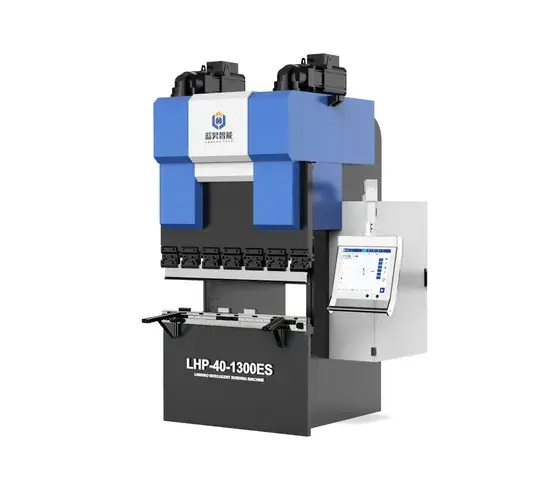
Complex counters and housings may combine panel-bender and press-brake work. Route each part to the process with the simplest stable sequence rather than forcing one machine to handle every geometry.
Film and grain direction
Minimum flange length
Hem appearance
Cleaning and food-equipment finish requirements
02
Use automatic tool change for high mix
Where widths and partial bends change frequently, an automatic-tool-change platform can reduce manual intervention. The business case should include actual changeover frequency and batch distribution.